
How Technology Is Raising the Bar for Women’s Health Practices
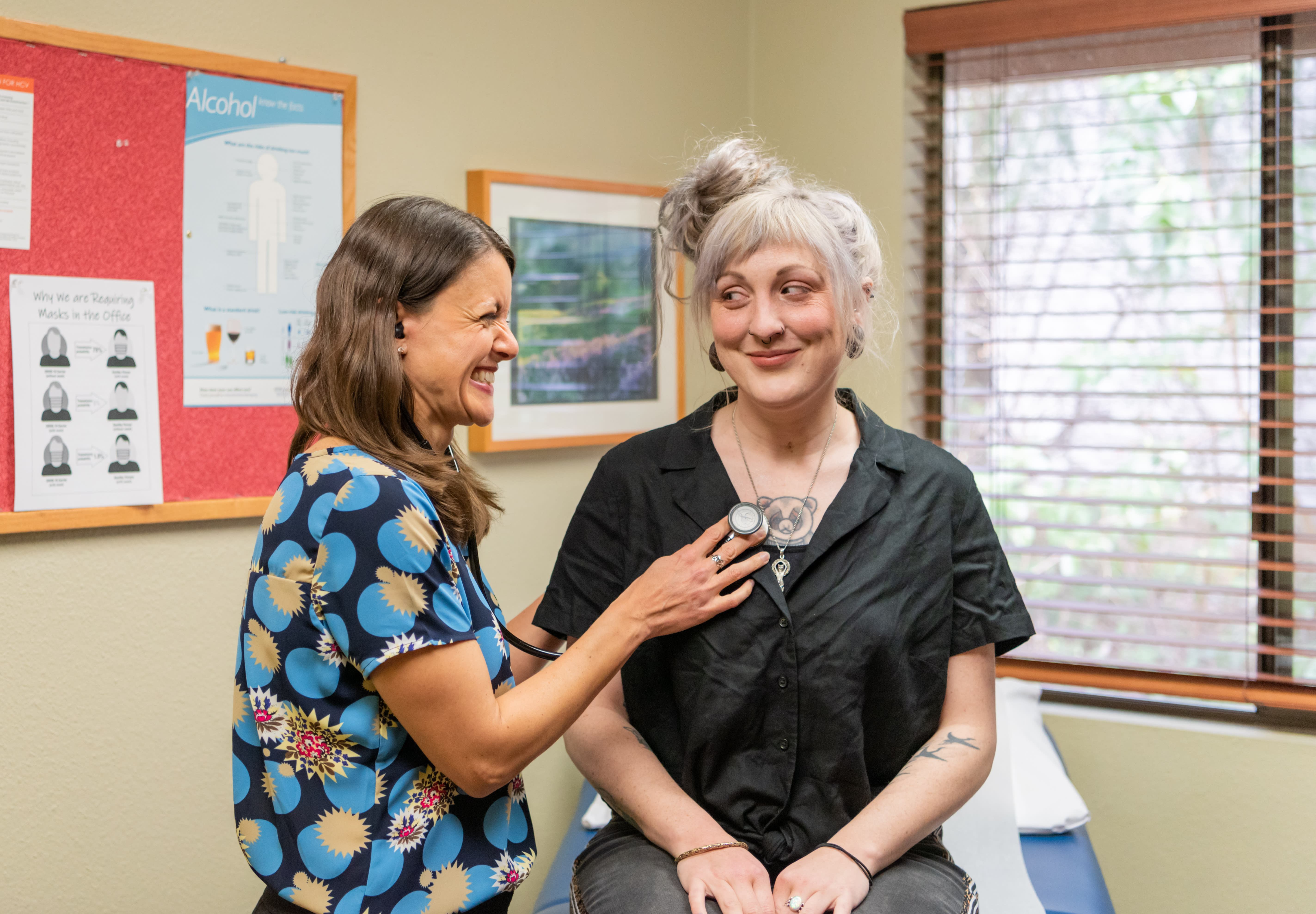
Women’s health has never been more complex — or more full of possibility.
Clinicians are expected to deliver longitudinal, whole-person care while navigating shifting regulations, rising patient expectations, and staffing and revenue pressure. At the center of all of this is technology: your EHR, patient tools, and AI-powered workflows can either support that mission or silently work against it.
For independent women’s health and gynecology practices, the question isn’t whether technology matters. It’s whether your current stack makes safer care, better access, and a sustainable practice possible.
In this post, we’ll look at how modern technology is reshaping women’s health — and where practices are seeing the biggest gains.
1. From Data Silos to Longitudinal Stories
Women’s health is inherently longitudinal: menstrual history, fertility, pregnancy, menopause, chronic conditions, and mental health often span decades of care. Yet many teams still have to stitch together that story from multiple systems and inboxes.
Clinical-first platforms are changing that by:
-
Bringing labs, imaging, and visit history into a single, intuitive view so clinicians can see the whole patient at once.
-
Making it easier to follow preventive and reproductive care over time instead of relying on memory or manual lists.
- Supporting structured documentation that can be tailored to women’s health workflows — from annual exams and contraception counseling to more complex gynecologic care.
When longitudinal data is more organized and accessible, it gets much easier to spot patterns, close care gaps, and have informed, empathetic conversations with patients.
2. Putting the Focus Back on the Visit — Not the EHR
Most women’s health clinicians didn’t go into medicine to spend evenings catching up on notes. But that’s exactly what happens when EHR workflows are click-heavy, fragmented, or not designed with specialty care in mind.
Modern systems are trying to flip that script by:
-
Prioritizing intuitive charting that mirrors how clinicians think, so documentation feels like part of the encounter, not a separate chore.
-
Embedding tools like AI-powered note assist directly into the chart to reduce after-hours charting while keeping the clinician firmly in control.
-
Offering mobile access so physicians can quickly review key information or sign orders without being chained to a desktop.
The result: more of the visit is spent looking at the patient, not the screen — and teams get back time that can be reinvested in complex counseling and relationship-based care.
3. Patient Engagement That Works for Women and Their Families
Women frequently serve as healthcare decision-makers for themselves and for others. They need clear information, easy access to their records, and straightforward ways to reach the care team.
Technology is raising the bar here, too:
-
Patient portals and mobile tools give secure access to lab results, imaging, visit summaries, and care plans.
-
Integrated scheduling and intake reduce phone tag and make it easier to book visits across the life course — from annual exams to prenatal, postpartum, and telehealth care.
-
Secure messaging supports quick questions on contraception, fertility, pregnancy concerns, menopause symptoms, or test results without overwhelming front-desk staff when it’s paired with clear triage rules.
Done well, digital engagement doesn’t replace the relationship — it extends it beyond the four walls of the clinic in a way that feels safe and manageable for both patients and the care team.
4. AI as a Workflow Partner, Not a Gimmick
AI has become one of the most talked-about trends in health tech, especially in specialties like women’s health that handle high visit volume and complex documentation. But not all AI is created equal.
Clinicians are finding value where AI is:
-
Embedded directly in the EHR instead of bolted on, so it fits naturally into the visit lifecycle.
-
Used for concrete, time-saving tasks like summarizing chart history, drafting notes, or organizing follow-up tasks — while keeping the physician’s clinical judgment at the center.
-
Paired with strong privacy and data-use safeguards, so teams can adopt it with confidence.
For women’s health practices, the promise isn’t “AI will do your job.” It’s “AI can help you get back to the parts of your job that matter most — listening, explaining, and coordinating care.”
5. Financial Sustainability Tied to Clinical Reality
Technology in women’s health can’t just be “nice to have.” It has to support the financial health of the practice as well:
-
Integrated EHR + billing platforms help reduce rework, speed up claims, and improve cash flow — critical for small and mid-sized practices working across FFS, hybrid, and value-based models.
-
Real-time eligibility, cleaner claims, and better coding support help make sure that complex care (for example, managing chronic conditions through pregnancy or menopause) is more likely to be reimbursed accurately.
-
Reporting and analytics make it easier to understand which workflows or populations are driving denials, delays, or avoidable costs — and where targeted improvements will have the biggest payoff.
When clinical and financial tools are aligned, women’s health practices are better positioned to grow, invest, and protect clinician time instead of constantly reacting to payer pressure.
6. What to Look for in Technology for Women’s Health
If you’re evaluating your current technology stack — or thinking about a change — some high-level questions can help:
-
Does our EHR reflect the realities of women’s health?
Can we easily manage preventive care, reproductive health, pregnancy, menopause, and chronic conditions across years of visits, not just encounter by encounter? -
Are we spending more time on the EHR than with patients?
Do documentation and follow-up workflows feel smooth, or are they driving after-hours work and staff burnout? -
Do our digital tools genuinely help patients stay engaged?
Are we seeing fewer no-shows, easier access to records and results, and faster resolution of routine questions? -
Is AI helping us work smarter — or just adding noise?
Are AI features grounded in real workflows, with clear guardrails and benefits we can measure?
If the honest answers raise concerns, you’re not alone — and you don’t have to fix everything at once. The most successful practices pick a few high-impact areas, make targeted changes, and measure the difference over time.
Want a Practical Way to Audit Your EHR for Women’s Health?
If you’re ready to take a closer look at how well your current EHR supports modern women’s health workflows, we’ve put together a free checklist workbook designed specifically for women’s health and family medicine teams to evaluate where you are today and where you may want to go next:
Inside, you’ll find structured checklists and action steps to help you:
-
Evaluate preventive and reproductive health tracking
-
Streamline annual and problem visits
-
Strengthen chronic condition and specialty care coordination
-
Improve patient engagement across the life course
-
Start using technology and AI to reduce administrative burden — not add to it
Use it with your team as a low-lift starting point to decide where technology can do more of the heavy lifting for your women’s health practice.
Prefer to see it rather than score it? Book an EHR online demo and we'll walk through the women's health workflows above — longitudinal tracking, note assist, and integrated billing — in a live chart.